Rooted in Success: How to Propagate Plants from Cuttings

Propagating plants from cuttings is one of the most satisfying ways to expand your collection. With a little know-how and a bit of patience, you can turn one healthy houseplant into several. This is great for filling out shelves, refreshing containers, experimenting with your green thumb skills, or sharing plants with fellow houseplant lovers.

In this blog, we’ll walk through the basics of plant propagation by cuttings, from choosing the right plant to getting those roots established and thriving.
Why Propagate from Cuttings?
How to Take a Cutting (Step‑by‑Step)
Water vs. Soil Propagation
Common Propagation Mistakes to Avoid

Why Propagate from Cuttings?

Propagation allows you to create new plants that are genetically identical to the parent plant. That means if a plant is thriving in your landscape or home, you can carry that success forward.

Benefits include:

  • Expanding your houseplant collection over time
  • Creating backups of favorite indoor plants
  • Filling in containers and displays naturally
  • Gaining confidence and hands‑on houseplant experience

The Best Houseplants to Propagate from Cuttings

Many common houseplants root easily from cuttings, making this a great technique for beginners and experienced plant parents alike.

Easy houseplants:

  • Pothos
  • Philodendron
  • Monstera
  • Spider plant
  • Tradescantia
  • Scindapsus
  • Syngonium

Types of Cuttings Explained

For houseplants, propagation is most commonly done using soft, actively growing stems.

Softwood Cuttings

  • Taken from fresh, flexible growth
  • Ideal for most tropical houseplants
  • Root relatively quickly under warm, indoor conditions

How to Take a Cutting (Step‑by‑Step)

  1. Choose your stem
    Look for a healthy stem with no flowers or buds. Aim for 4-6 inches long. Plants that are actively growing (like those you’ll find in Plantopia) root most reliably.
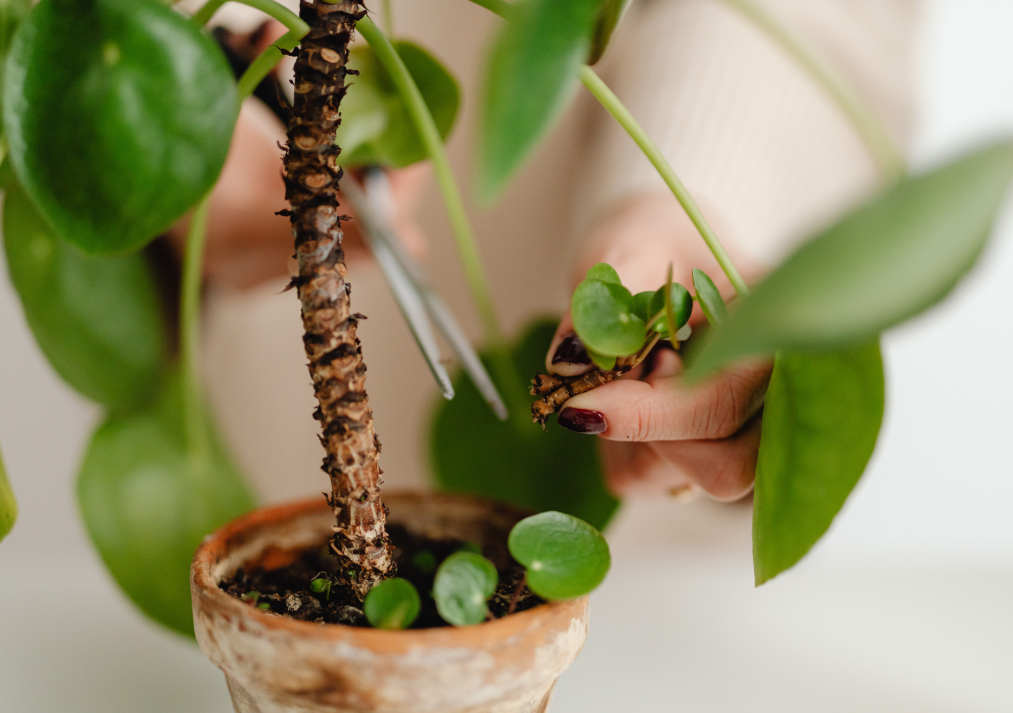
  2. Make a clean cut
    Use sharp, clean pruners and cut just below a leaf node.
  3. Remove lower leaves
    Strip off the leaves from the bottom half of the cutting. This helps prevent rot and allows the plant to focus energy on root development.
  4. Boost success with rooting products
    For faster, stronger root development, we recommend Fertilome Root Stimulator to encourage overall root growth and reduce transplant shock, or Fertilome Rooting Powder (2 oz.) to jump‑start root formation right at the cut.

Plant your cutting
Insert the cutting into a moist potting mix, seed‑starting mix, or perlite. Make sure at least one node is buried.

Water vs. Soil Propagation

Both methods work, but it often comes down to plant type and personal preference.

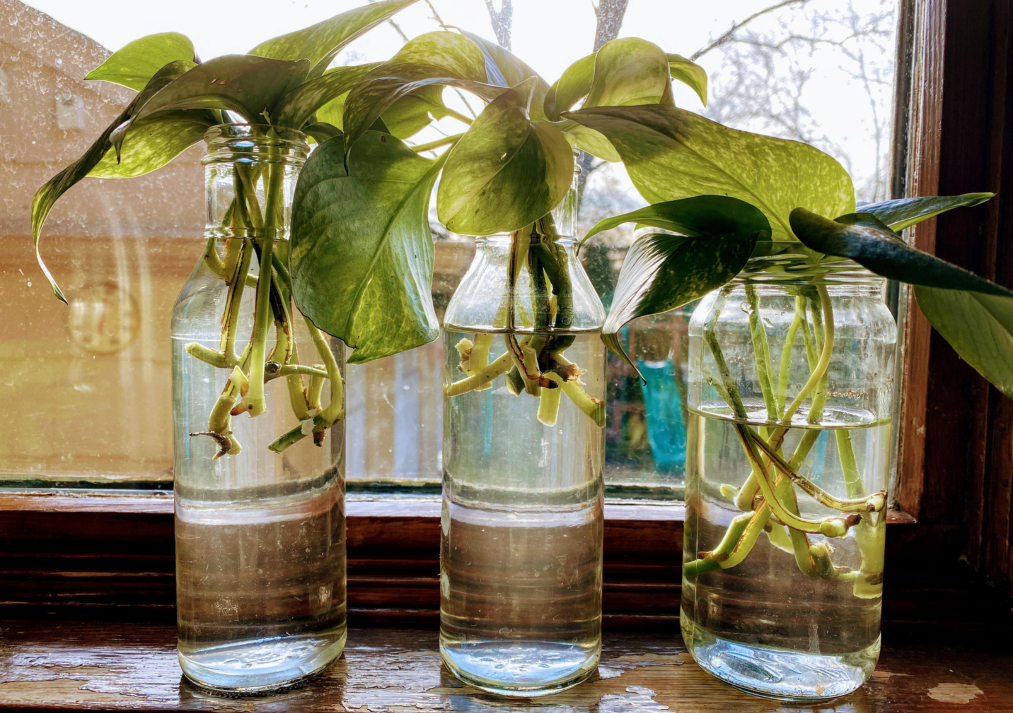
Water propagation:

  • Easy to monitor root growth (it’s also super cool looking)
  • Roots may need time to adapt to soil later
  • Need to keep cuttings fed since they don’t have soil to root into

Soil propagation:

  • Produces stronger, soil‑ready roots
  • Less transplant shock
  • Requires more attention to moisture

For most houseplants, soil propagation is the better long‑term option.

Creating the Perfect Rooting Environment

Cuttings thrive in warm, humid conditions, similar to the protected environment young plants get when they’re first grown.

  • Keep soil consistently moist, not soggy
  • Bright, indirect light is ideal
  • Increase humidity with a clear dome or loosely tented plastic bag

Using quality soil, clean containers, and proven rooting products can make a noticeable difference in success. Patience is key. Some plants root in days, others take weeks.

Common Propagation Mistakes to Avoid

  • Overwatering (the fastest way to rot cuttings)
  • Using dull or dirty tools
  • Taking cuttings from flowering stems
  • Moving or disturbing cuttings too often

Grow More, Share More

Propagation is part science, part magic and once you start, it’s hard to stop. It’s a great way to experiment, learn, and enjoy plants in a whole new way. Strong results always begin with healthy plants and good growing practices. If you have questions about which houseplants propagate best or how to support new roots along the way, our Green Team is always happy to help. To stay inspired and grow with us online, follow us on Facebook, Instagram, Pinterest, and TikTok to explore more gardening tips and ideas.