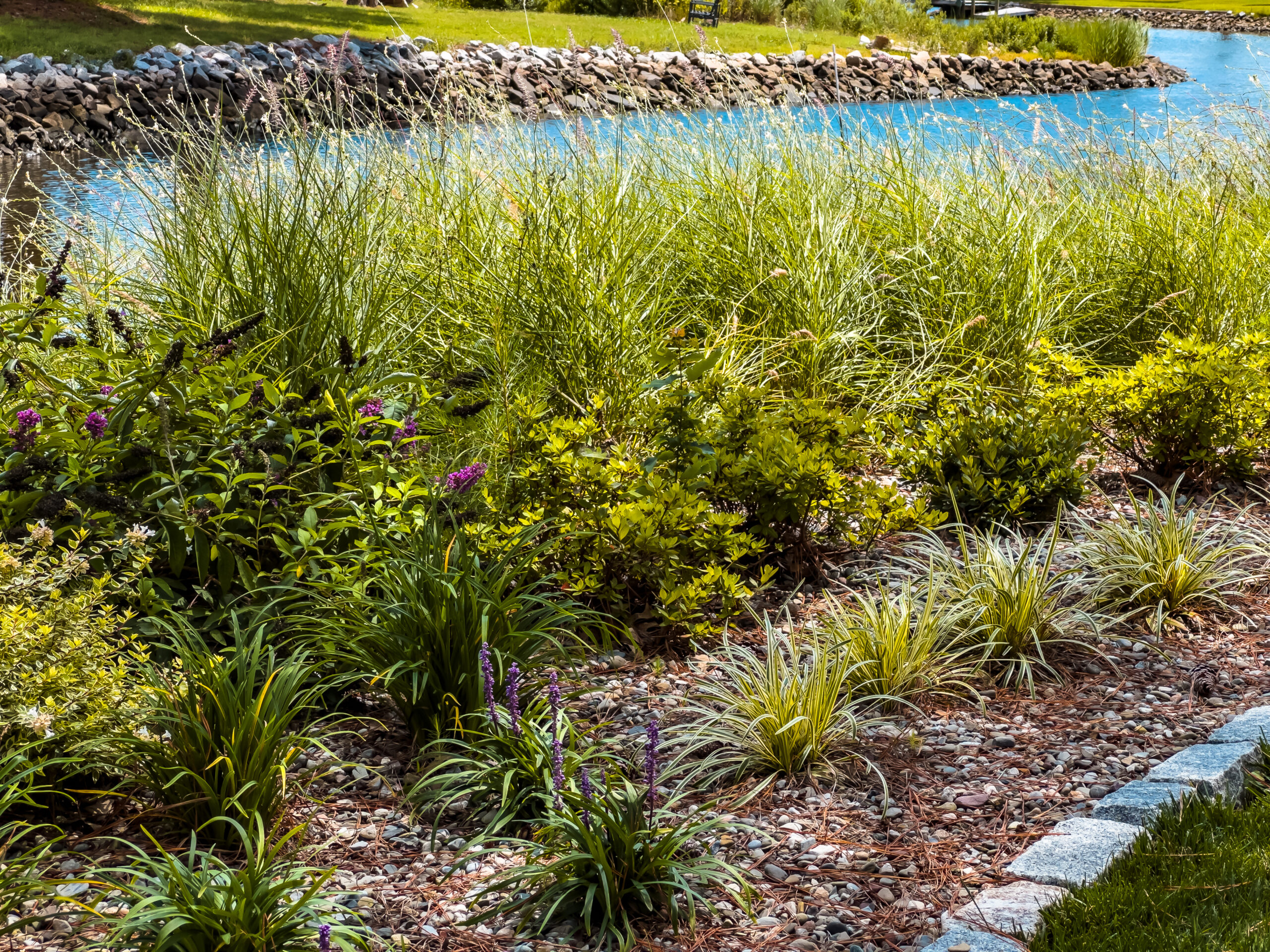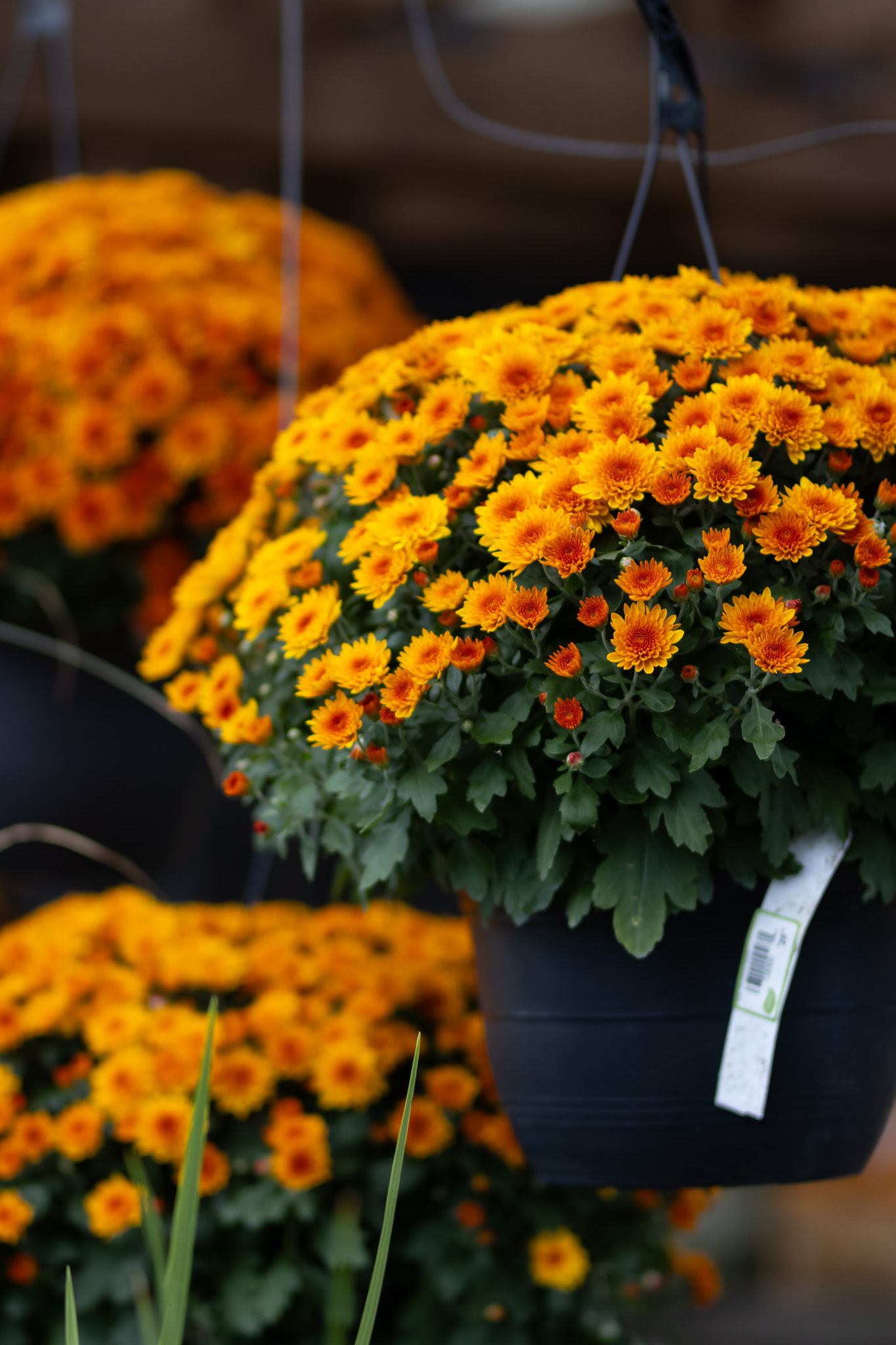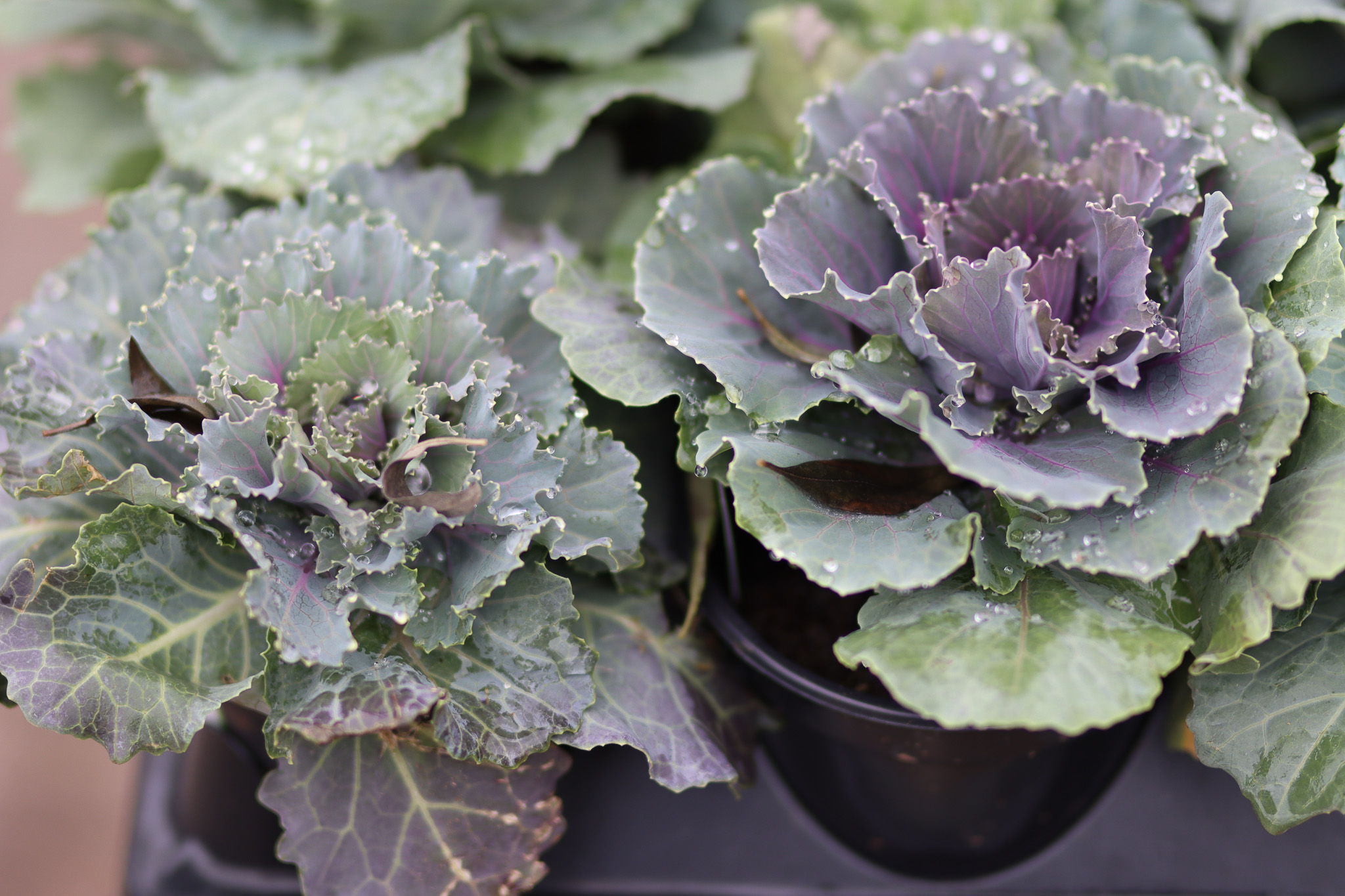
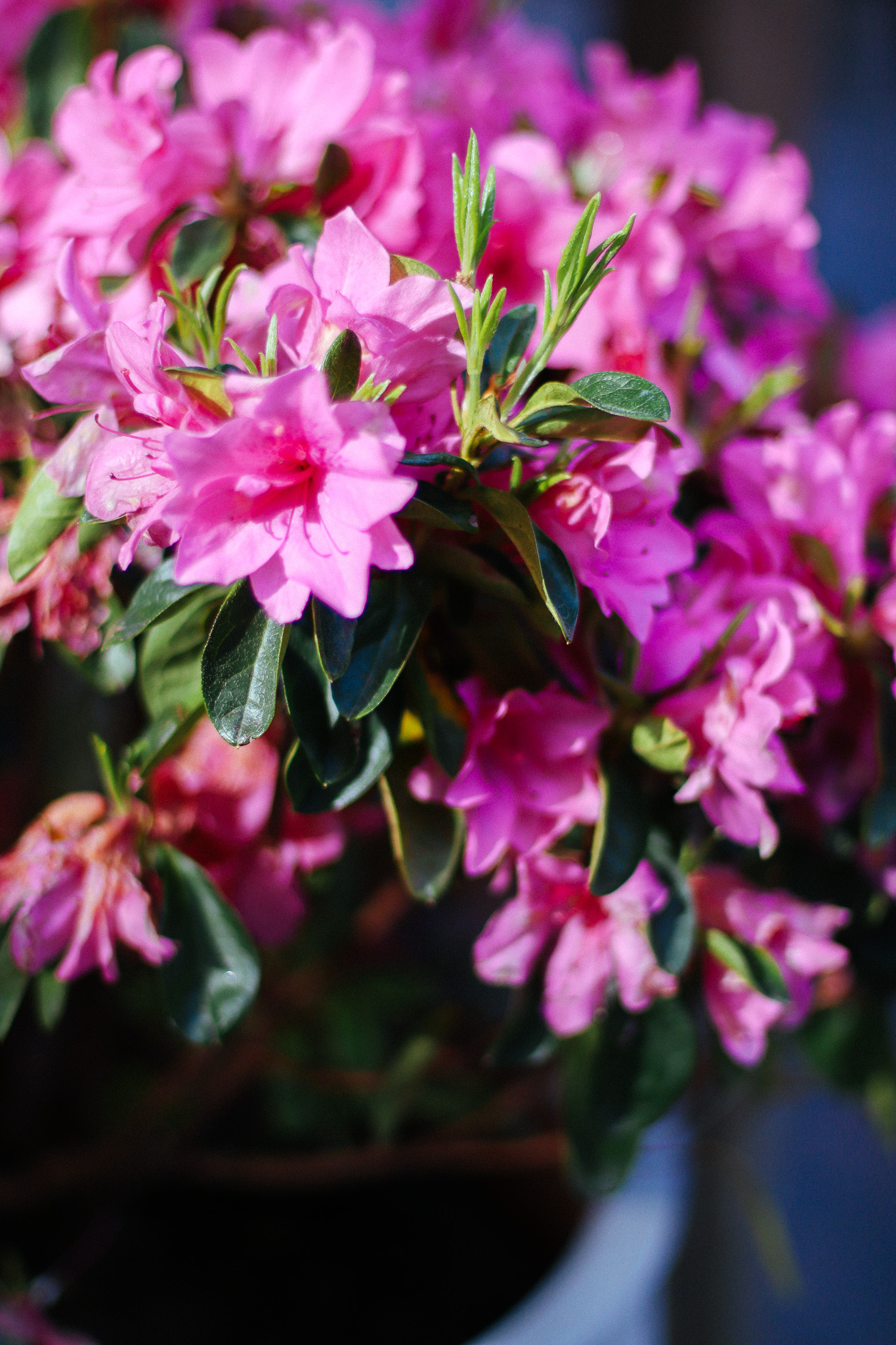
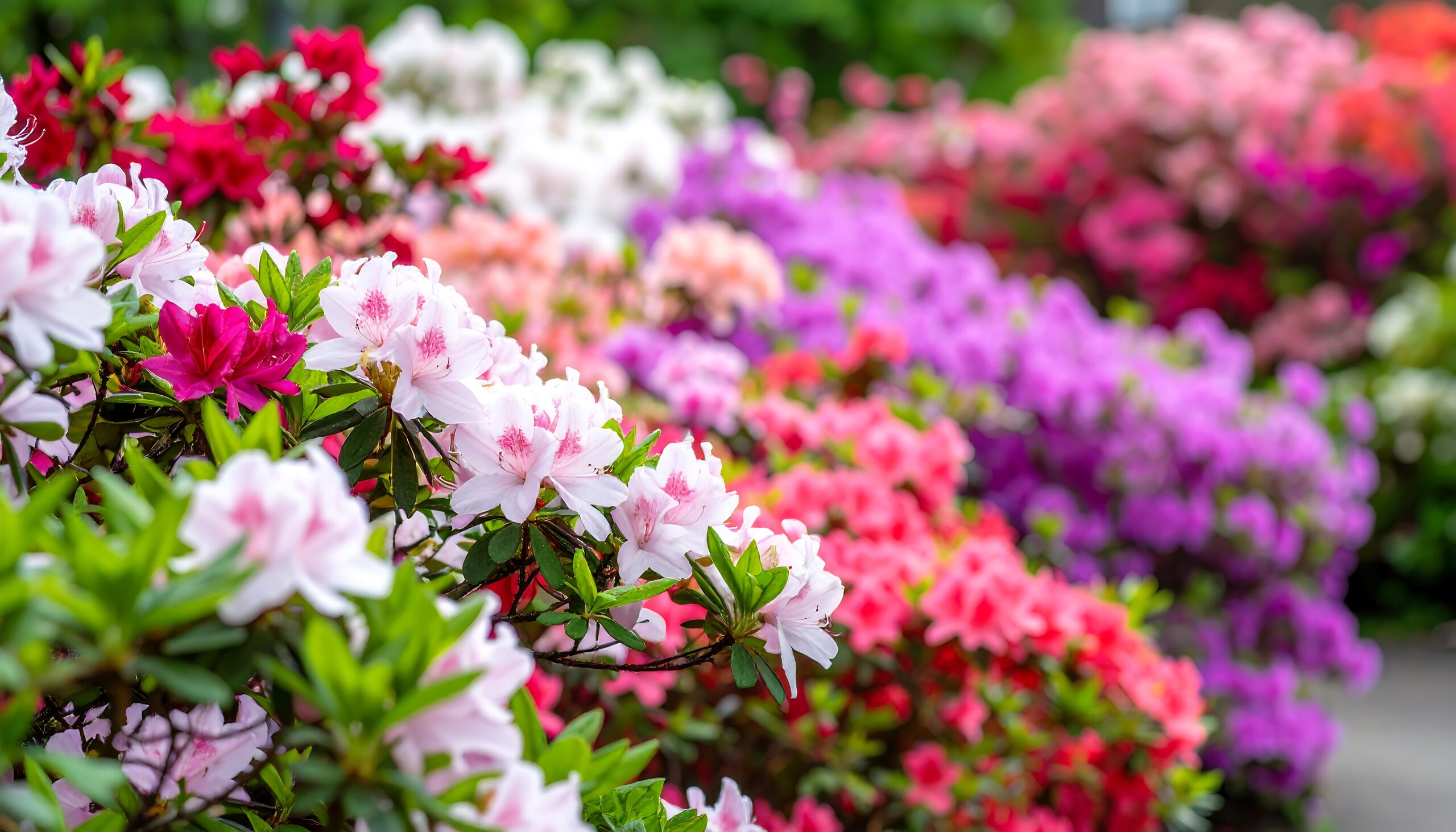
Few flowering shrubs deliver as much lasting beauty as reblooming azaleas. Their generous spring flowers brighten shady borders, soften foundations, and turn ordinary yards into colorful landscapes. Traditional azaleas, however, tend to put on one spectacular show before settling into the background for the rest of the year. Reblooming azaleas offer something more: combining classic charm of a traditional rhododendron, with a longer flowering period.
Made for Our Area
Azaleas have long thrived in Southern gardens because they suit the region’s climate and style. In our area of Hampton Roads, which is a USDA zone of 7-8, reblooming selections preserve that compatibility while adding improved flowering performance.
Once established, they handle the heat and humidity of our area well when planted in suitable conditions. They appreciate the acidic soil, and their evergreen foliage provides structure even when the plants are not blooming.
Their appearance also feels entirely at home in the South-eastern landscape. Reblooming azaleas can complement a historic home, soften the lines of a new build, or bring polished color to a relaxed cottage garden. They look natural beneath tall pines and graceful beside porches, walkways, patios, and garden gates.
Color Without a Complicated Design
One of the greatest advantages of reblooming azaleas is how easily they fit into an existing garden. Available in a wide range of flower colors and mature sizes, they can serve many different roles.
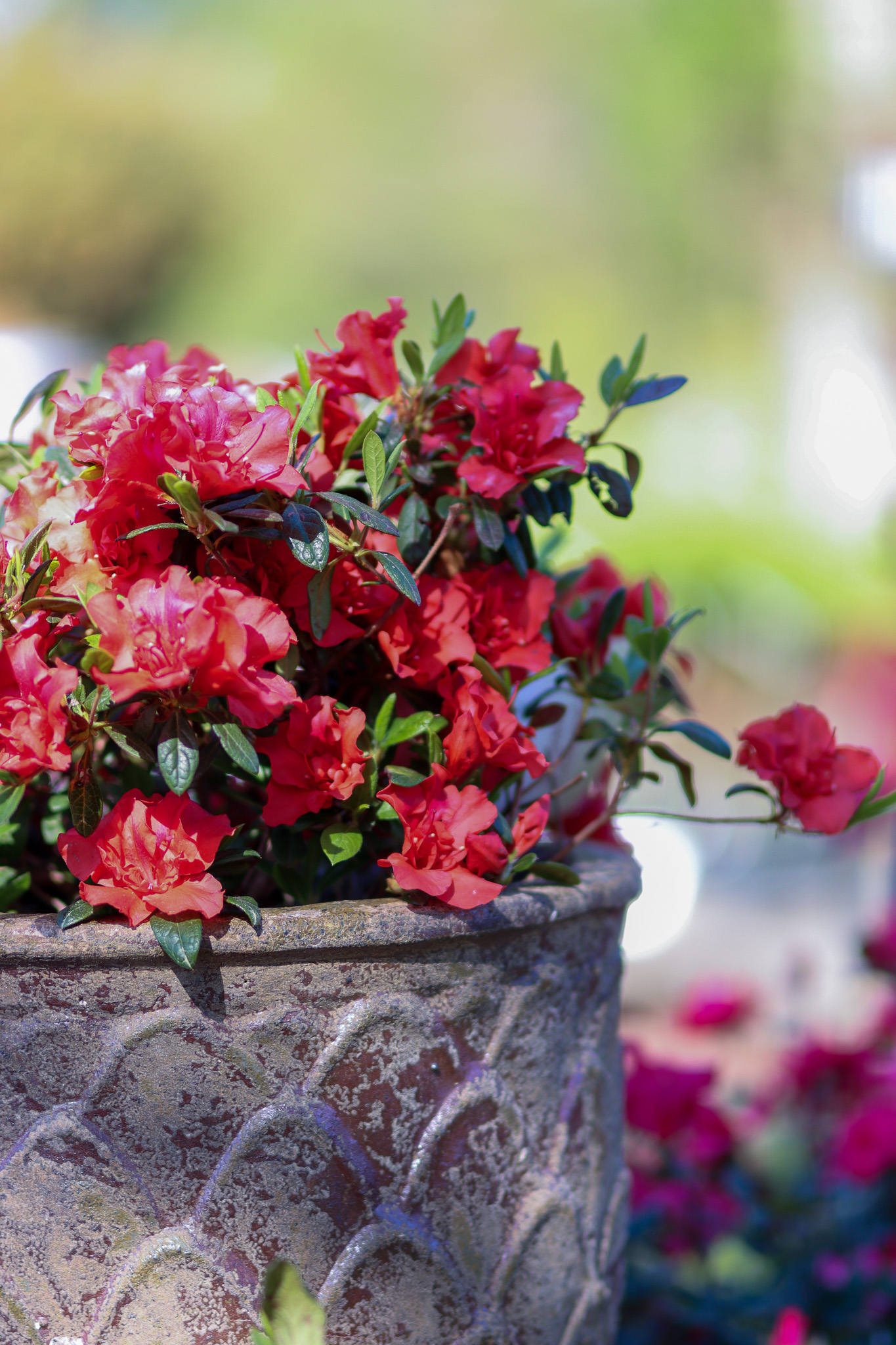
Use compact plants to edge a walkway, brighten a courtyard, or fill decorative containers. Medium-sized varieties work well in foundation plantings and mixed borders. Larger selections can form flowering hedges or create colorful backdrops for smaller perennials.
For a calm, cohesive landscape, repeat one color in several locations. For a livelier garden, combine related shades such as blush, coral, and deep pink. White flowers can illuminate a shaded corner, while red or purple blooms create a stronger focal point.
The evergreen leaves also pair beautifully with other favorites for our area, including:
- Camellias
- Gardenias
- Hydrangeas
- Ferns
- Hostas
- Japanese maples
- Ornamental grasses
Because azaleas provide a dependable framework, they make the entire planting feel fuller and more intentional.
A Smart Choice for Smaller Gardens
Long-blooming plants are particularly valuable where space is limited. In a compact yard, every shrub needs to contribute as much as possible.
A reblooming azalea offers spring flowers, repeat color, evergreen foliage, and year-round structure in a single plant. Smaller varieties can even thrive in containers, making them suitable for patios, porches, and townhouse gardens.
When planting in a container, choose one with generous drainage holes and use a well-draining potting mix formulated for acid-loving plants. Remember that container-grown shrubs usually need more frequent watering than those planted in the ground.
Easier Care Than Their Flowers Suggest
Reblooming azaleas may look luxurious, but they do not require constant attention. The key is to give them a strong start.
Plant them in soil that is acidic, well drained, and rich in organic matter. Their roots are relatively shallow, so avoid planting too deeply. The top of the root ball should sit level with, or slightly above, the surrounding soil.
A two- to three-inch layer of pine straw, pine bark, or another organic mulch helps retain moisture, moderate soil temperature, and discourage weeds. Keep the mulch slightly away from the main stems rather than piling it against the plant.
Azaleas prefer consistent moisture, especially during their first growing season, but they should not remain in soggy ground. Deep, occasional watering is generally better than frequent shallow watering because it encourages stronger root development.
Light is also important. Many reblooming varieties flower best with several hours of direct sun, followed by some protection from the harshest afternoon heat. Too much shade can reduce blooming, while intense all-day exposure may stress plants in the hottest parts of the South.
Pruning at the Right Time
Reblooming azaleas rarely need heavy pruning. Remove dead or damaged branches whenever necessary, but save significant shaping for shortly after the main spring bloom.
Pruning too late in the season can remove developing flower buds and reduce the next round of blooms. A light touch is usually best. Allowing the shrub to maintain its natural form creates a softer appearance and reduces maintenance.
Before feeding, consider testing the soil. If nutrients are needed, use a product intended for azaleas or other acid-loving plants and follow the label carefully. More plant food does not necessarily mean more flowers; excessive feeding can encourage leafy growth at the expense of blooms. We carry all kinds of great products to feed your azaleas at our stores, like Espoma’s Azalea-tone.
Beauty With Lasting Value
Great garden plants do more than look attractive for a few weeks. They support the overall design, remain appealing across the seasons, and reward the gardener without demanding excessive care.
Reblooming azaleas accomplish all three. They deliver the spring color, return in the fall, and contribute evergreen texture between bloom cycles. With thoughtful placement and basic care, they can remain a beautiful part of the landscape for years.
For gardeners who want familiar charm, dependable structure, and more color from every square foot, they are an easy choice, and a worthy addition to nearly every Southern garden. To stay inspired and grow with us online, follow us on Facebook, Instagram, Pinterest, and TikTok to explore more gardening tips and ideas.