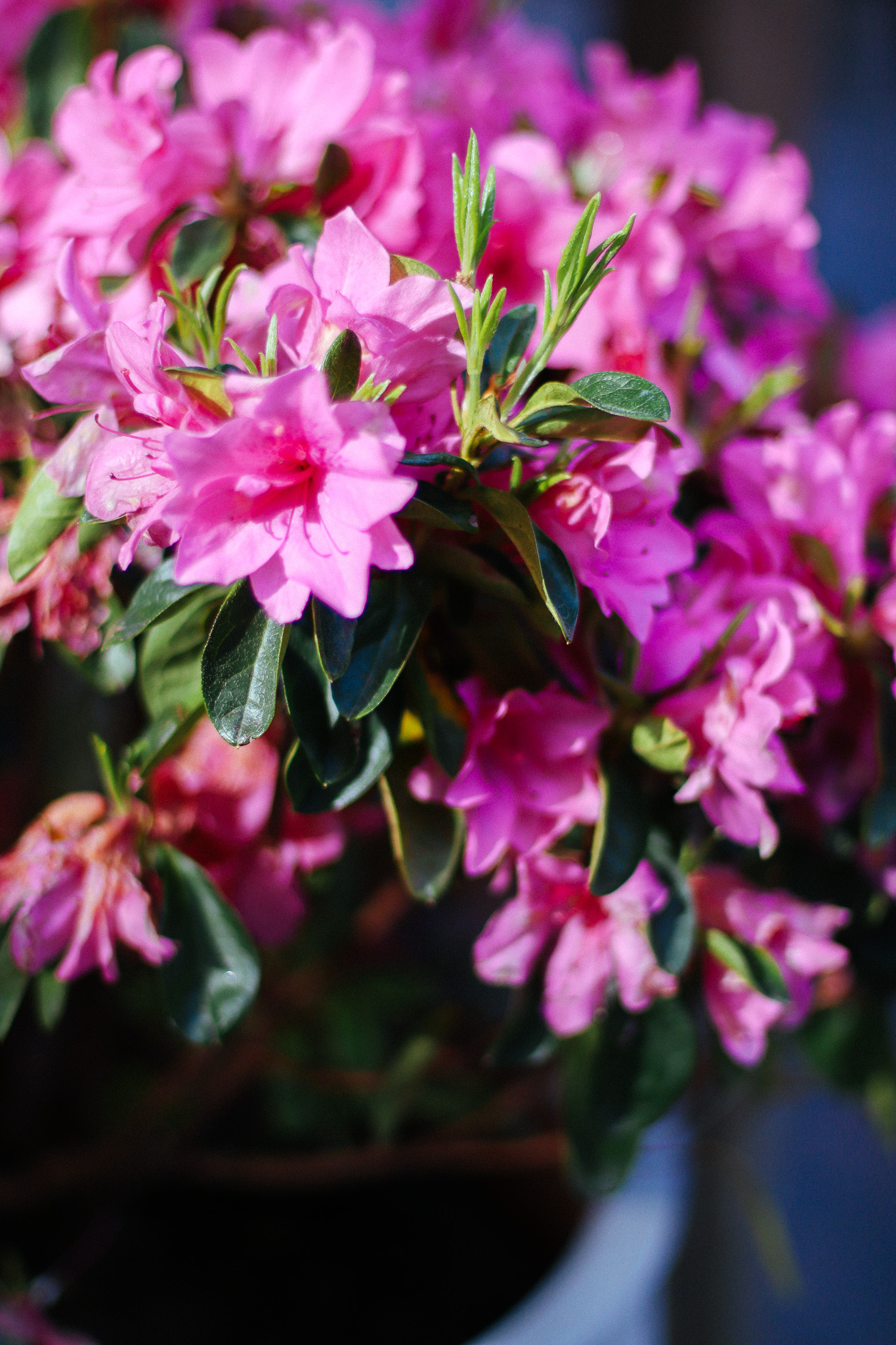
As the weather cools and the leaves begin to turn, your front porch becomes the perfect place to welcome the season. A few well-chosen container gardens can add warmth, color, and texture, without requiring a complete landscaping overhaul. These ideas will help create a cozy, inviting entryway.
Go beyond orange with a rich fall color palette
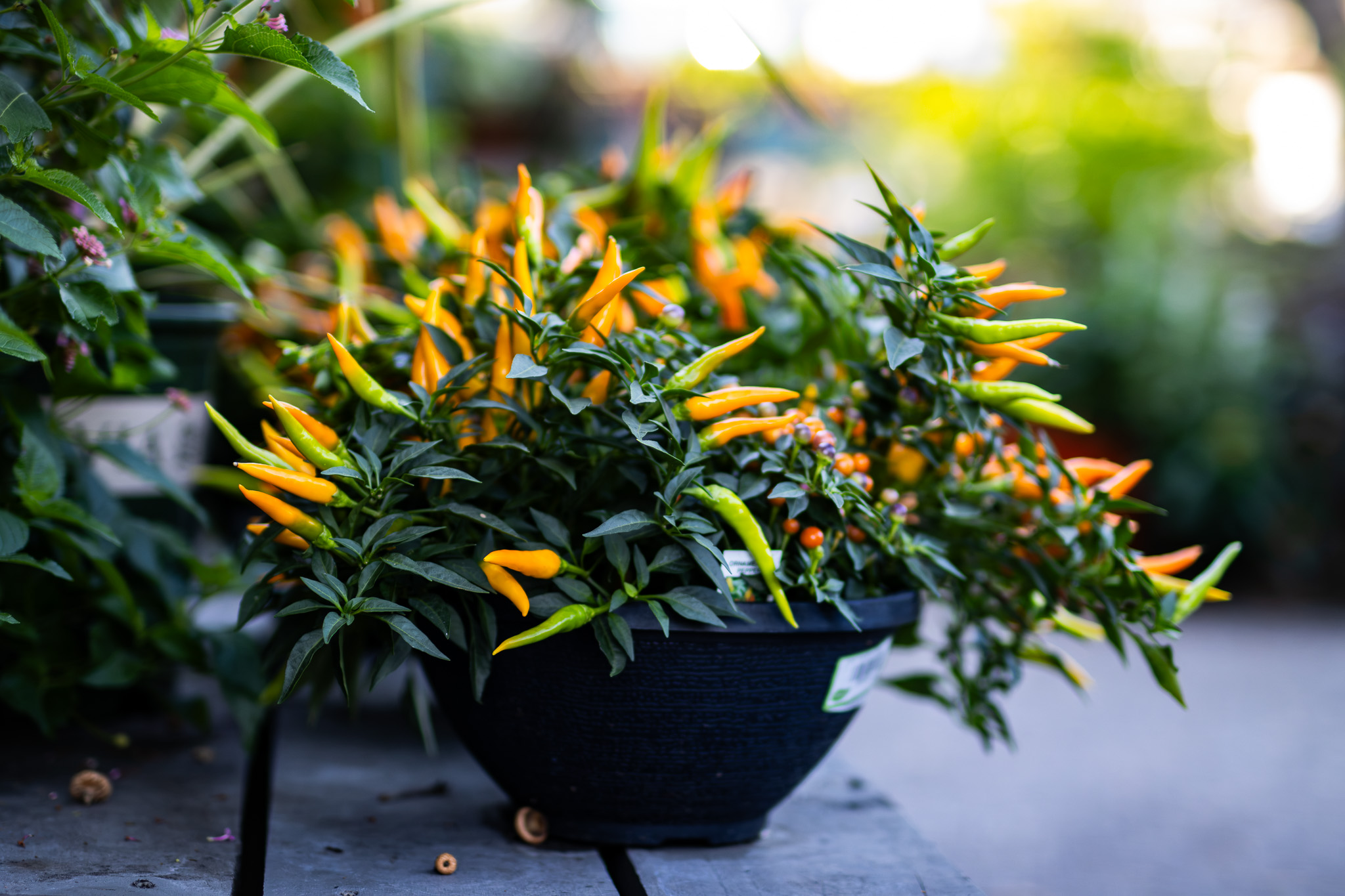
Pumpkin orange is a fall favorite, but it is not the only option. A more layered palette can make your porch feel especially cozy and sophisticated.
Consider combining deep burgundy, plum, gold, rust, cream, and sage green. Purple ornamental kale pairs beautifully with golden mums, while cream-colored pansies brighten darker planters. For a softer, farmhouse-inspired look, use white pumpkins, wheat-colored grasses, and muted green foliage.
If your front door is a bold color, choose plants that complement it rather than compete with it. A red door looks lovely with gold and burgundy tones, while a black or navy door creates a beautiful backdrop for coppery orange and chartreuse foliage.
Use mums in a more interesting way
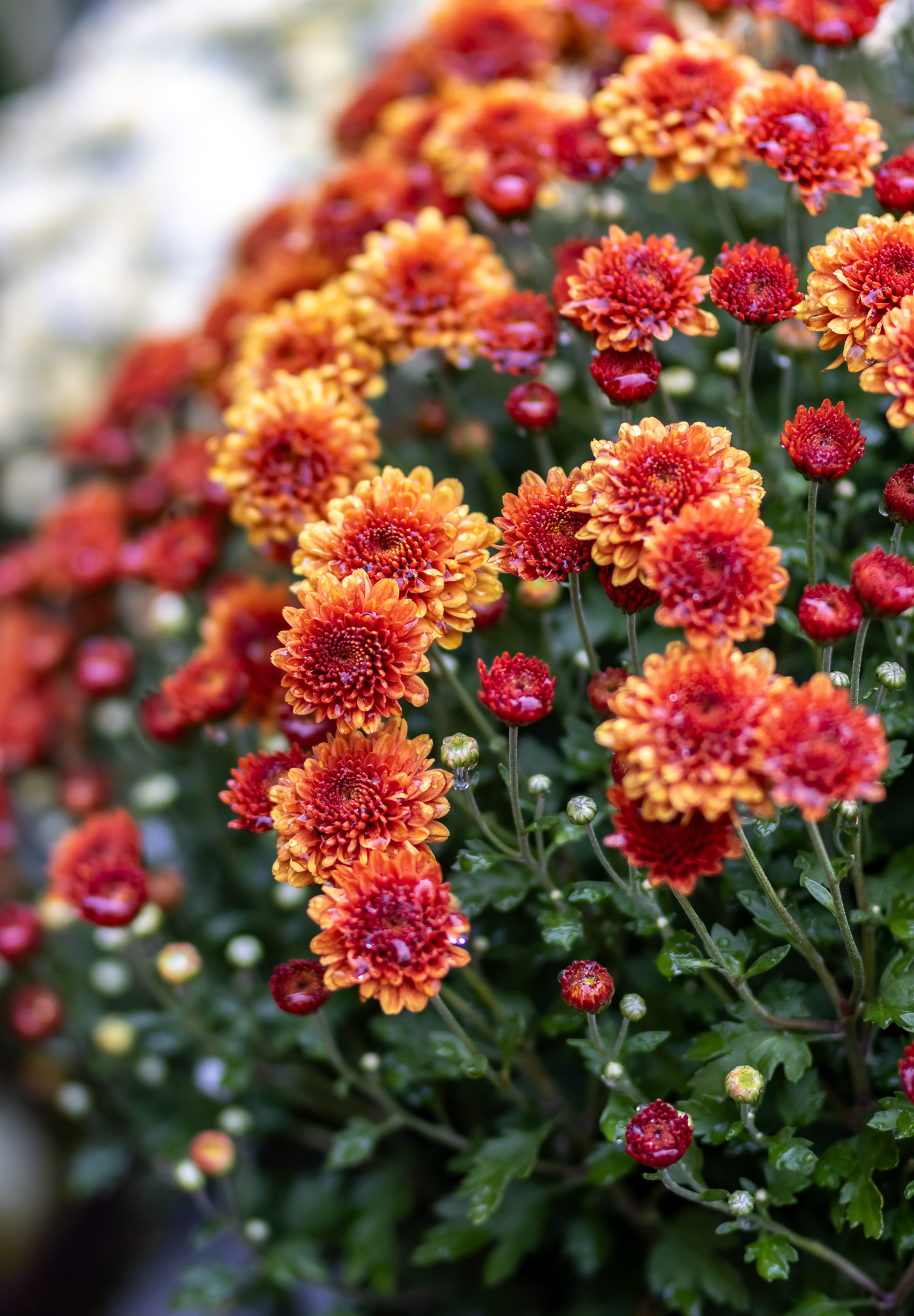
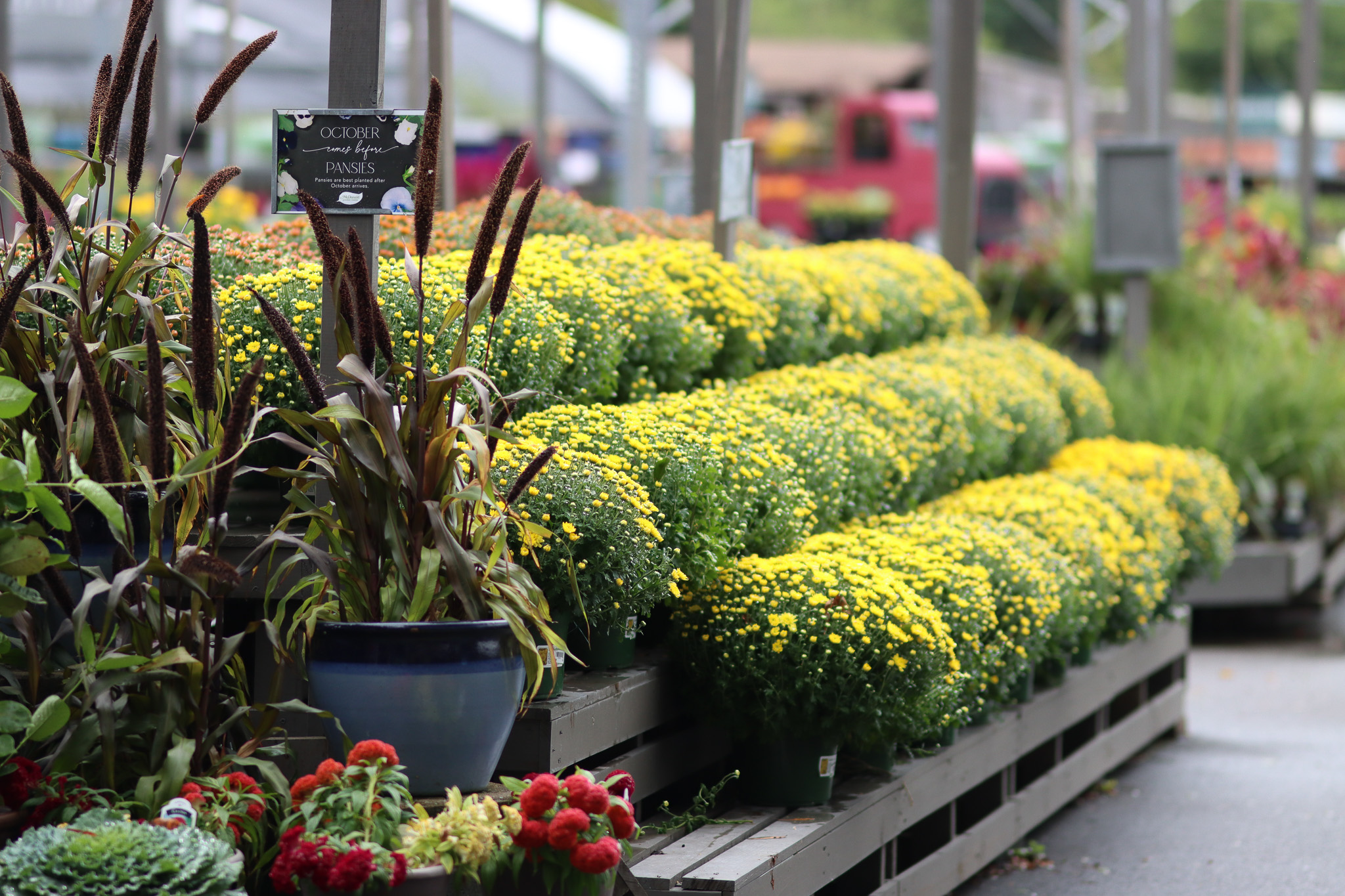
Mums are a fall porch staple for good reason: they are cheerful, affordable, and widely available. Instead of lining them up in identical pots, vary their size and placement.
Group mums in odd numbers, such as three or five, and mix colors within the same family. Place one large container near the door, then layer smaller pots or baskets nearby. Tuck a few pumpkins, gourds, or lanterns between them to create a collected, welcoming look.
To keep mums looking their best, give them plenty of sun and water consistently. They should be moist but not sitting in water.
Add ornamental kale and cabbage for lasting structure
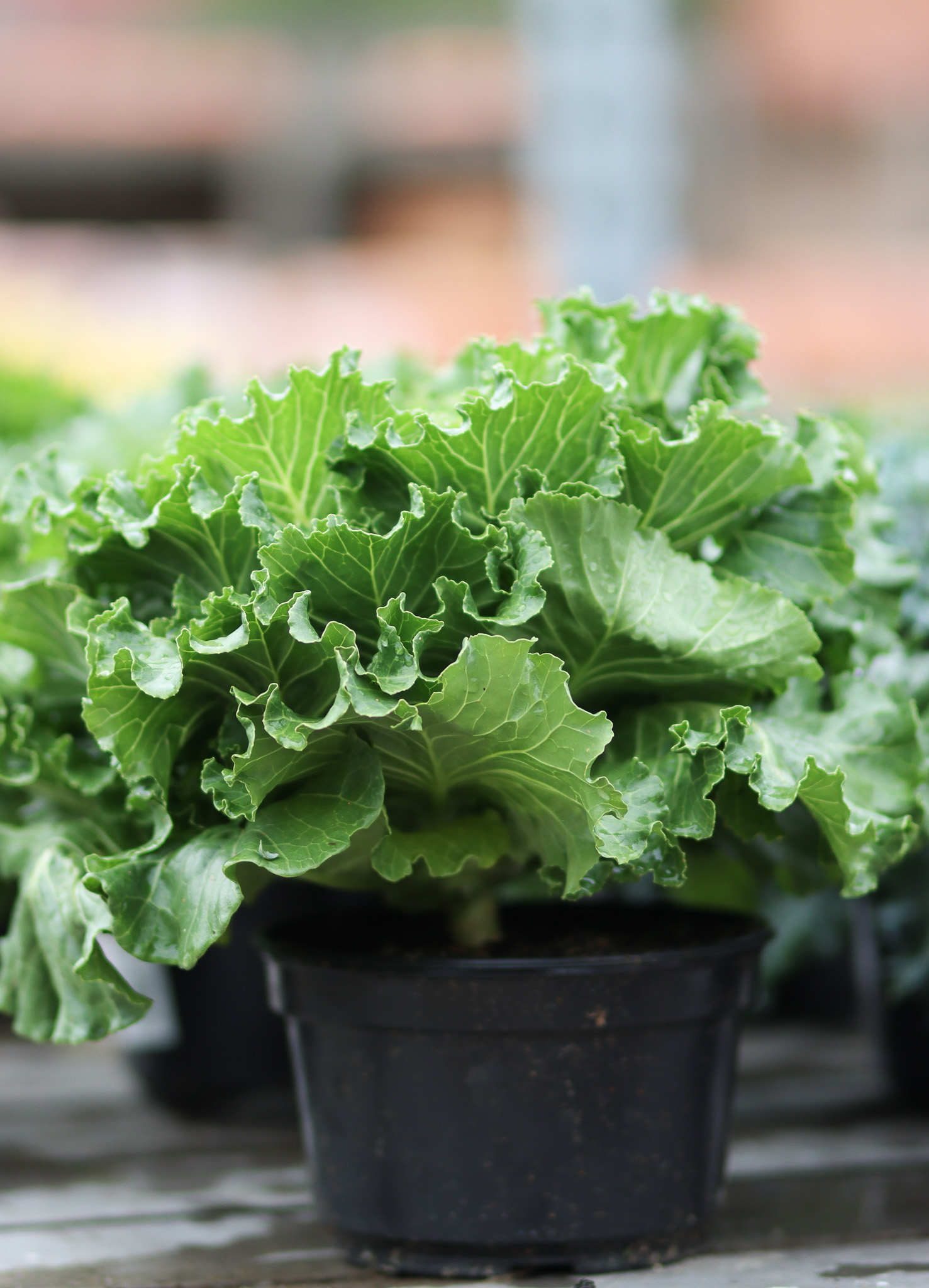
Ornamental kale and cabbage are stars of the fall garden. Their ruffled leaves, soft colors, and sturdy shape add visual interest long after many summer flowers have faded.
Use them as a focal point in medium or large containers, especially when paired with trailing ivy and small flowering plants. Their leaves become even more colorful as temperatures dip, making them a great choice for extending the season.
For an elegant, low-maintenance combination, plant purple kale with white pansies and variegated ivy in a dark ceramic pot.
Bring in texture with grasses and seed heads
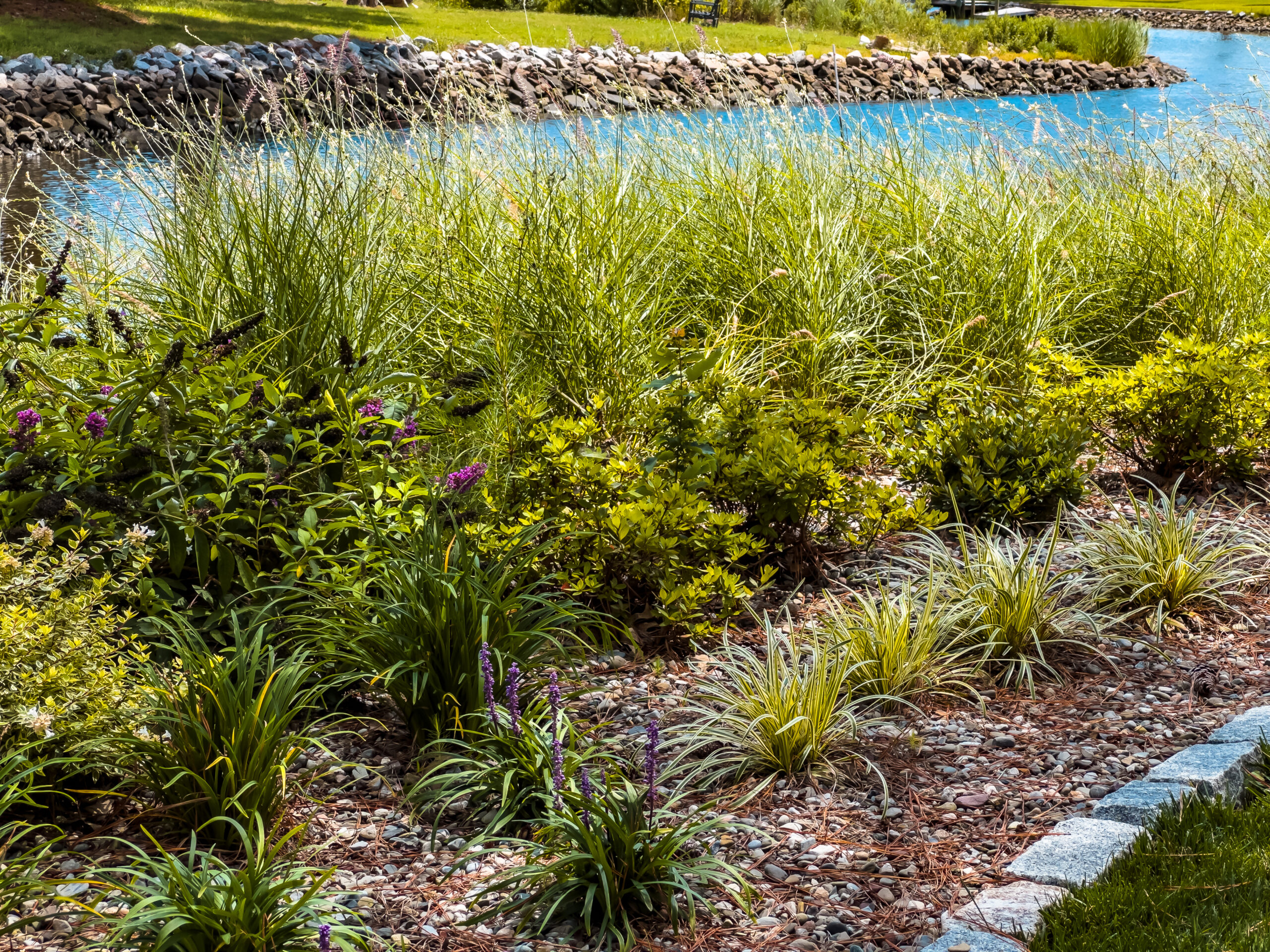
Fall is all about texture. Ornamental grasses, dried hydrangeas, and eucalyptus branches add movement and a relaxed seasonal feel.
Tall grasses work particularly well in oversized urns or porch corners. Add a few flowering plants around their base, then finish the arrangement with trailing greenery. The result feels natural and full, rather than overly formal.
Dried elements are also useful if you want a container that needs less upkeep. Simply tuck them into soil or floral foam among live plants for extra height and seasonal character.
Make it cozy with layers around the containers
Your fall planters will look even better when they are part of a larger porch vignette. Add a natural-fiber doormat, a plaid outdoor throw draped over a chair, lanterns with battery-operated candles, and a stack of pumpkins in different shapes and colors.
The goal is not to crowd the porch. Instead, use a few cozy layers that frame the containers and make guests feel welcome before they even reach the door.
Choose containers that suit your home
The planter itself plays a big role in the finished look. Terracotta pots feel warm and traditional, while dark ceramic urns are timeless and elegant.
If you are using baskets, line them with plastic or place nursery pots or plastic trays inside to protect the material from moisture. For all containers, make sure drainage holes remain open so roots do not become waterlogged.
Keep your porch looking fresh through the season
A little maintenance goes a long way. Remove spent blooms, water when the soil feels dry, and rotate containers occasionally so plants receive even light. As the weather becomes colder, replace tired flowers with hardier options such as pansies, kale, cabbage, or evergreen cuttings.
With a mix of colorful blooms, textured foliage, and a few cozy seasonal accents, even the smallest front porch can become a warm autumn welcome. Start with one container, build outward in layers, and let the colors of the season do the rest. To stay inspired and grow with us online, follow us on Facebook, Instagram, Pinterest, and TikTok to explore more gardening tips and ideas.