Breath Easy
Having clean air is more important than ever, and houseplants can help. Indoor air pollution is an increasing problem today, but improving your indoor air quality can be easy and inexpensive. Houseplants not only make indoor spaces more attractive, but they also help to purify the air. Research studies have found that houseplants can help you live a healthier and happier life… so breath easy and incorporate some of these plants around your house.
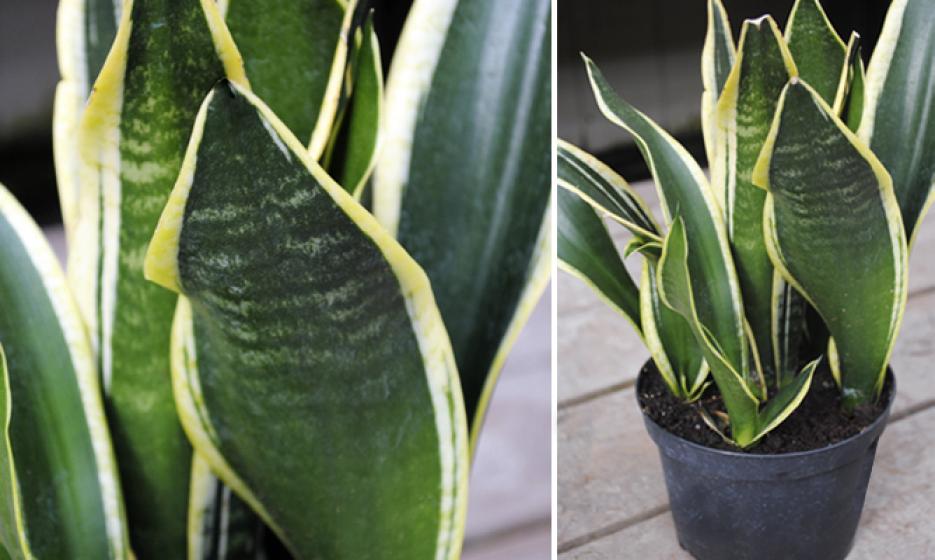
SNAKE PLANTS add style and modern charm to any room with their upright, sword-like foliage. These plants help remove a variety of chemicals from the air, including nitrogen oxide and formaldehyde. Snake plants are very easy to care for and will even tolerate some neglect. They like bright light, but will grow in everything from direct sun to shade. Allow the soil to dry before watering.
ENGLISH IVY has been shown to help remove benzene from the air while adding healthy oxygen. It likes medium light and is easy to trim, train and shape. Enjoy ivy cascading out of a pot or train it into a topiary and enjoy for years. Hot or cold, inside or out — you’ll love all the different varieties.
SPIDER PLANT – this is one of the first plants shown to help clean the air, working best on formaldehyde. This member of the lily family prefers to hang as it sends out its runners and little offset plants that look like pretty little green and white spiders.
GOLDEN POTHOS help remove formaldehyde and carbon dioxide from the air and their abundance of leaves yield freshly cleaned oxygen every day. This tropical vine is one of the most tolerant plants for low light. Don’t be afraid to cut the vines if they get too long. Remember, cutting plants stimulates growth.
PEACE LILIES are celebrated for their ability to remove chemicals like formaldehyde and carbon monoxide from the air. This easy to grow plant with its large leaves and interesting white flowers uses a lot of water and adds humidity to dry winter homes. It will tell you when it wants another drink by drooping its leaves.
To improve your indoor air quality, try using:
· 1 – 8” or 10” sized houseplant per every 100 square feet
· 1 – Small 4” or 6” sized houseplant in your personal breathing zone (6-8 cu. ft.), for example: placed on your desk or night stand.
· 15 – 20 houseplants for 1500 sq. feet
In addition to the plants on our list, all plants take in carbon dioxide, produce oxygen, and add moisture to the air, which helps prevent dry skin and sore throats in the winter. You can live happier and healthier by simply adding houseplants to your indoor environment.
Check out more of our favorite HOUSEPLANTS >>