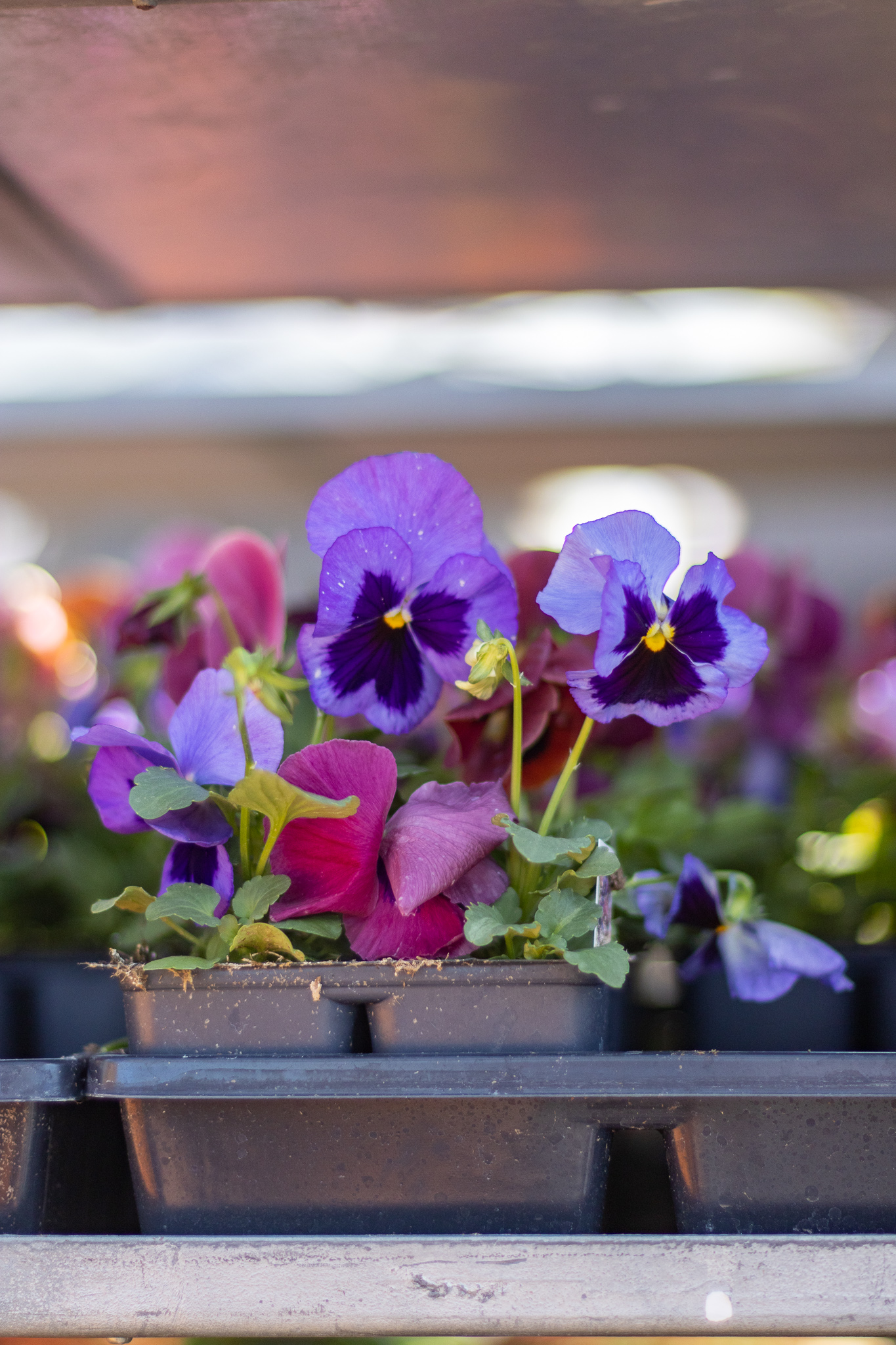
There’s a point each fall when the porch is ready for a change. The summer flowers have gotten leggy, a few bare spots have appeared, and even with a pumpkin by the door, those planters still look like they’re holding on to July. The good news? Giving them a fresh look doesn’t have to become a weekend project. With a few pansies and a little potting mix, you can refresh a small container in about 10 minutes. It’s one of those simple seasonal updates that makes a difference every time you pull into the driveway or welcome someone at the door.
Work with What You Already Have
Before you empty every container, take a look at what’s still working.
Your favorite pots can stay right where they are. Healthy companion plants that suit the cooler season may be worth keeping, too. If part of an existing arrangement still looks good, removing the tired summer annuals and replacing them with pansies may be all it needs.
The same approach works for the rest of the porch. Let your wreath, pumpkins, outdoor pillows, or even your front door help guide your flower colors. Choosing pansies that repeat a color already in the space makes the new planting feel like it belongs.
Need a little color inspiration? Try these combinations:
- Classic fall: Yellow and purple pansies alongside orange pumpkins and warm autumn accents.
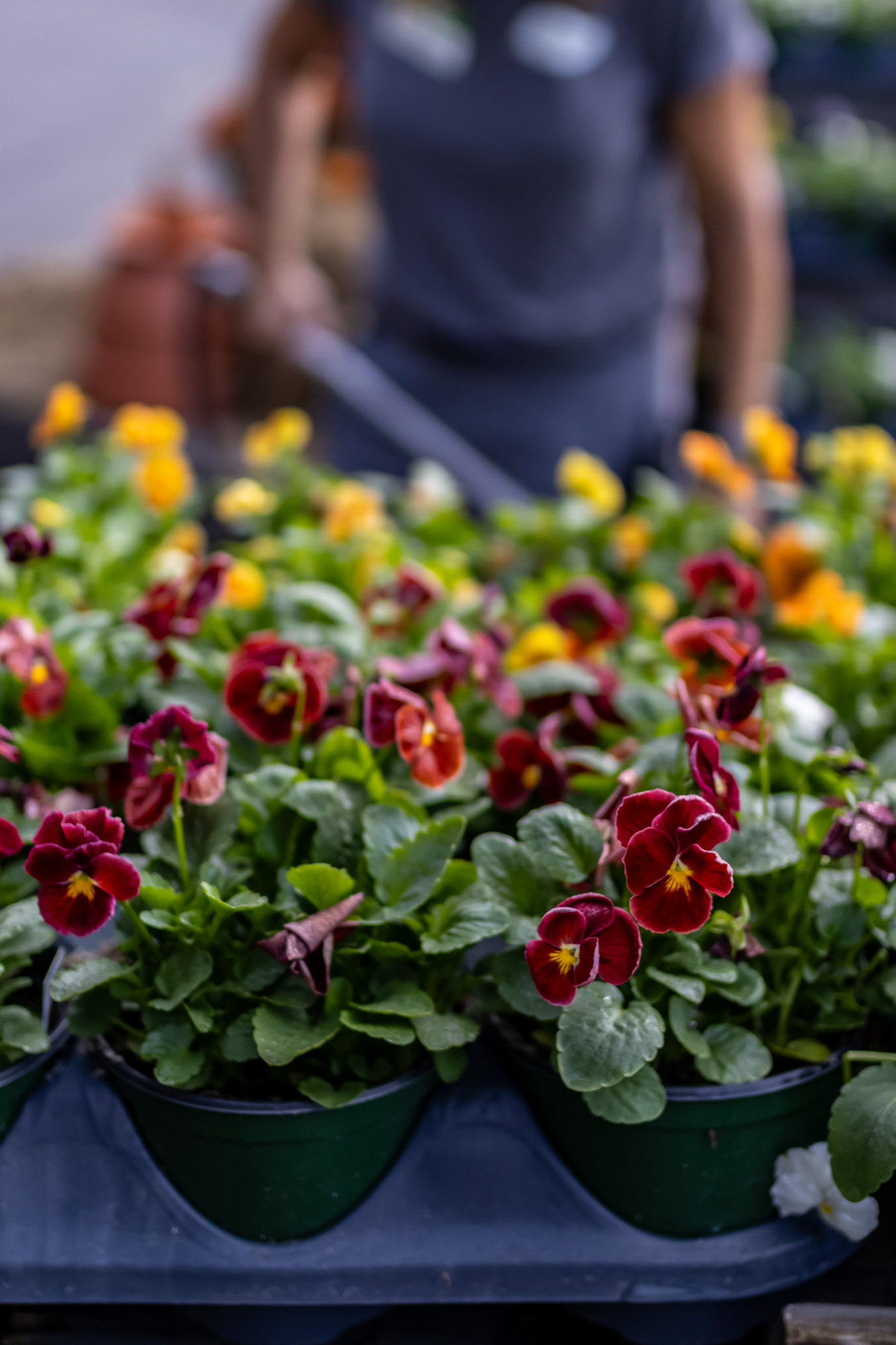
- Rich and cozy: Burgundy and golden yellow blooms paired with natural wood and a seasonal wreath.
- Soft and simple: White and pale purple pansies beside white pumpkins and woven textures.
For an easy starting point, choose two colors and repeat them across your containers.
A Few Plants Can Make a Finished Display
Pansies don’t need lots of companions to look good. A container filled with one variety can make a lovely statement, especially when you repeat it on both sides of an entrance. Mixing colors adds a more relaxed, collected feel.
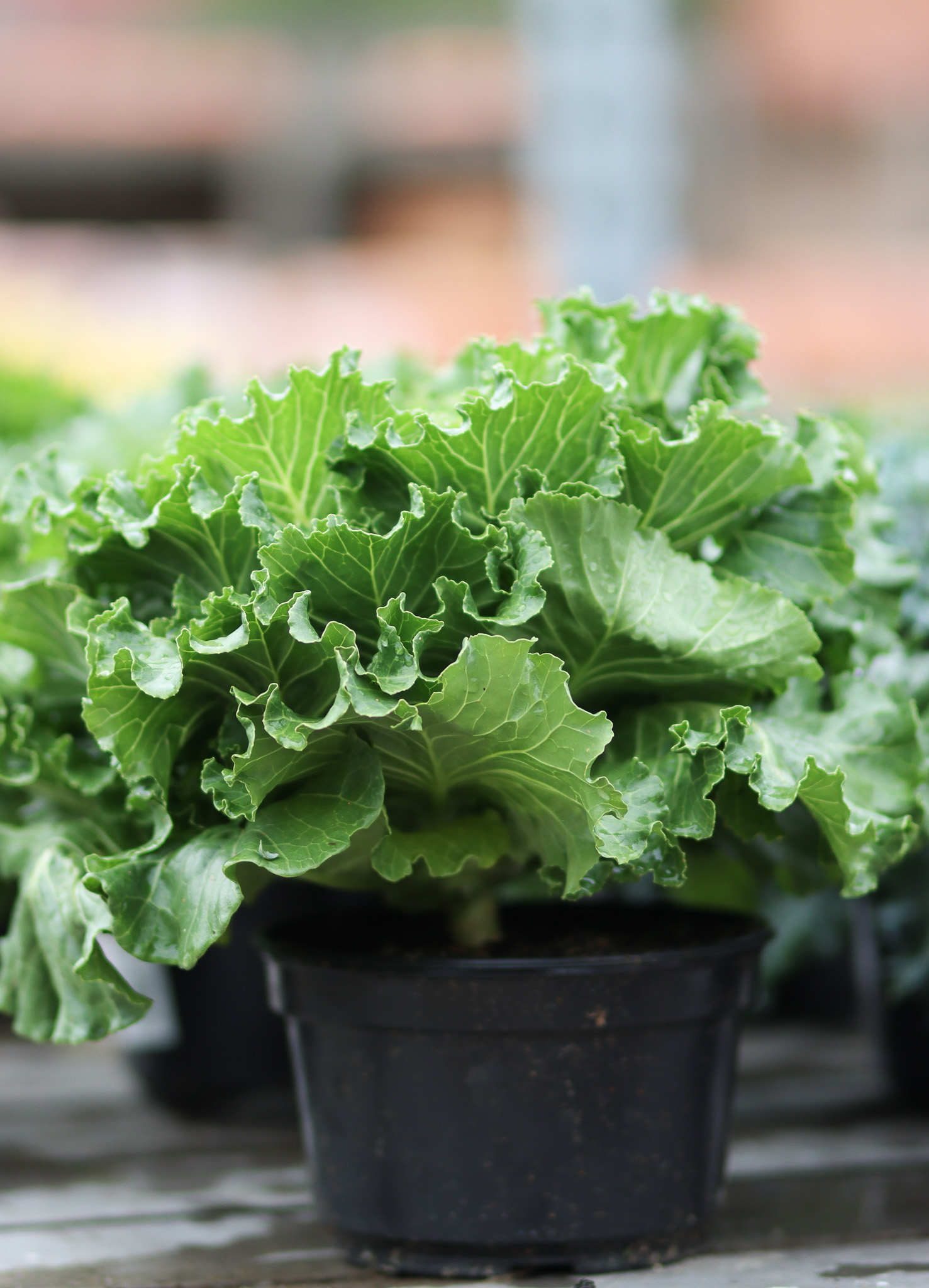
If you want a little more variety, pair pansies with a cool-season accent such as ornamental cabbage or kale. Their larger leaves provide a different texture alongside the smaller flowers. Choose companions with similar light and watering needs, and give each plant enough room to grow.
Think about where you’ll see the container most often, too. A pot beside the steps should have flowers visible as you approach. A planter viewed from the sidewalk may benefit from a simple color combination that reads clearly from a distance.
You can finish the display without adding another plant: set a pumpkin beside the container, group it with a smaller pot, or move it closer to a bench. Give the flowers room to be seen, and keep your walkway clear.
The Refresh Is Easier Than You Think
Once you have your plants and supplies ready, the planting itself is straightforward. Gather your pansies, fresh potting mix , gloves or a hand trowel, and a watering can (links for all of these items), then give your container a quick refresh:
- Clear out tired plants. Remove spent summer flowers and their roots. Keep healthy companions that will work for the cooler season.
- Check the potting mix and drainage. Replenish loose, well-draining mix as needed. Replace mix that’s badly compacted or drains poorly, and make sure drainage holes are clear. If the previous plants had disease problems, start with a clean container and fresh mix.
- Arrange before you plant. Set the pansies in place while they’re still in their nursery pots. Move colors around until you like the combination, following the spacing on the plant tags.
- Plant at the right depth. Gently remove each nursery pot and loosen tightly circling roots. Set each pansy at its original growing depth, fill around it, and lightly firm the mix. Keep the crown, where the stems meet the roots, uncovered.
- Water everything in. Leave a little room below the planter’s rim, water thoroughly, and let the excess drain away.
Keep That Freshly Planted Look
Choose a spot with plenty of fall sunshine, and make checking your planters part of your usual porch routine. A little regular attention goes a long way:
- Check for moisture. Water when the surface of the potting mix begins to dry. Water thoroughly when needed, and empty any saucer that holds standing water.
- Pinch off faded blooms. Remove spent flowers and seedpods to keep the planting tidy and encourage more blooms.
- Feed as directed. Follow the fertilizer label and account for any fertilizer already included in your potting mix. Our team can help you choose an option and explain how to use it.
- Watch the forecast. Pansies enjoy cool weather, but containers may need a sheltered spot during prolonged hard freezes.
These are small jobs you can work into a few moments outside, checking the soil on your way to the mailbox or removing a faded flower as you head through the door.
A Little Effort, a Porch You’ll Enjoy Every Day
A few healthy plants in colors you love can give those hardworking porch pots a whole new season. Visit our stores (links to explore pansy colors, find fresh potting mix, and get help putting your planting together. Bring a photo of your porch or a few container measurements if you’d like help choosing. To stay inspired and grow with us online, follow us on Facebook, Instagram, Pinterest, and TikTok to explore more gardening tips and ideas.